VehiclesTeam Associated RC12L3 Oval Kit
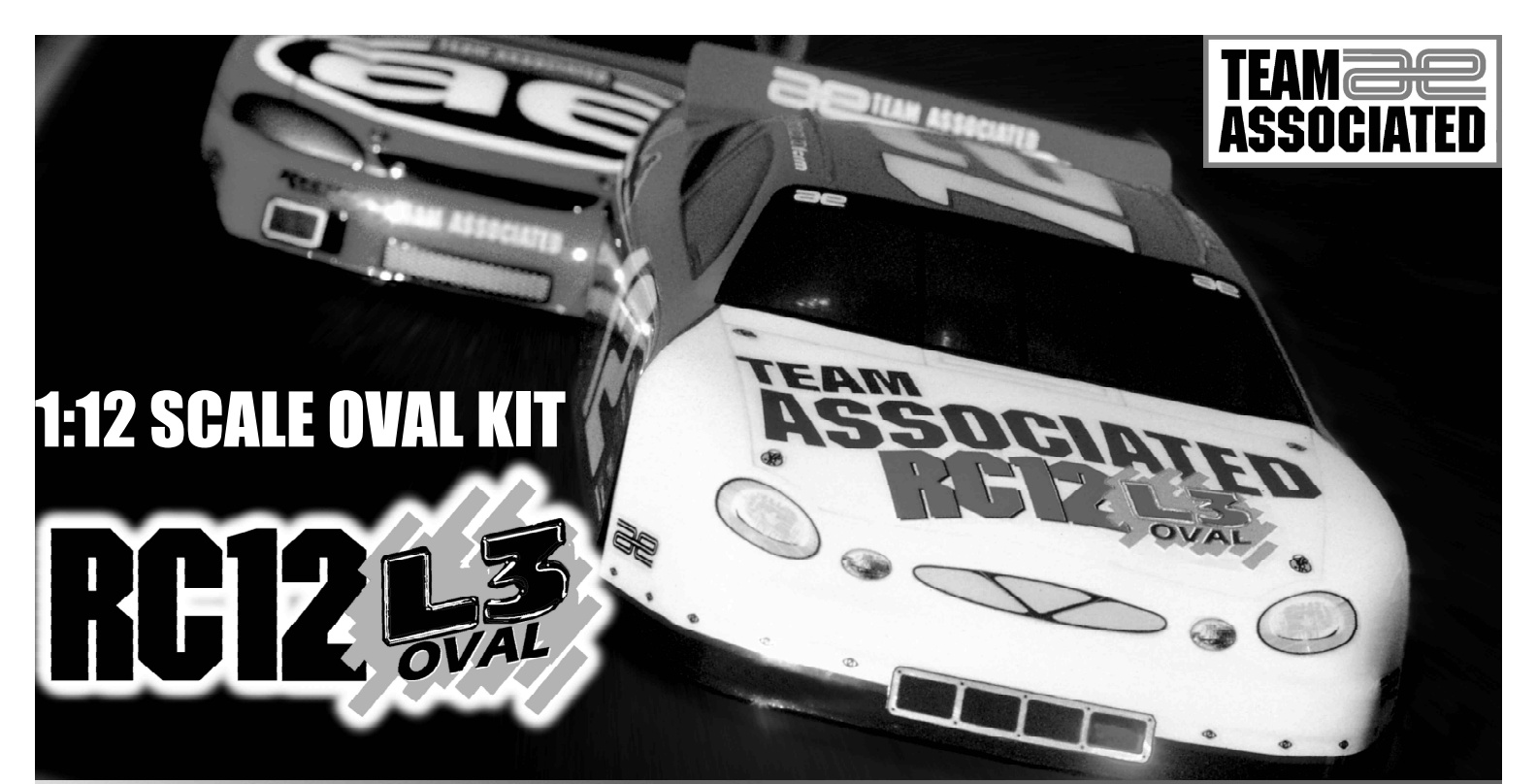
Team Associated RC12L3 Oval Kit
1/12 scale · street · 4016
Production status: Unknown
- Scale
- 1/12
- Drive
- 2WD
- Max LiPo
- -
- Power
- electric
Background
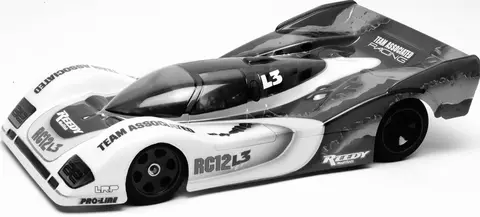
The RC12L3 Oval adapted Associated’s small electric pan-car layout to oval racing with a three-shock rear arrangement. Its graphite chassis, rear pod and axle-mounted differential put it in the same broad family as the 4015 on-road car, while the rear suspension made the 4016 a distinct kit. Factory feature sheet (opens in a new tab)
Read moreShow less
The motor and pinion were chosen separately, and foam tire wear changes the rollout of the direct rear-axle drive. Establish equal tire diameters and chassis tweak before adjusting the rear springs and dampers. Match the Oval chassis and suspension pieces when restoring a car, rather than treating every RC12L3 rear assembly as identical. Factory instructions (opens in a new tab)
Specifications
| Spec | Value | Basis |
|---|---|---|
| Vehicle | ||
| ||
| Class | Street | |
| Drive | 2WD | |
| Power | Motor not included | |
| Build | Kit | |
| Scale | 1/12 | |
| Part number | 4016 | |
| Drivetrain | ||
| ||
| Pinion | Not applicable | |
| Spur | 75TStock | Stock |
| Transmission & axle | 1.00:1Derived | Derived |
| Final drive | Not applicable | |
| Differentials | BallrearStock | Stock |
| Hub bearing size | Front: 1/8 × 5/16 in (3656); rear: 1/4 × 3/8 in (897)Maker ID×OD size classes; widths are not stated. Front wheels and rear axle have distinct bearing interfaces.Stock | Stock |
| Spur pitch | 48PStock | Stock |
| Wheels & tires | ||
| ||
| Tire diameter | Not published | |
| Suspension | ||
| ||
| Chassis | Carbon fiberStock | Stock |
| Shocks, rear | Oil-filledthreaded, aluminum body, 3 shocks; Three rear pod dampers; front kingpin springs are separate.; Rear pod dampers: one center shock for OnRoad, three rear pod shocks for Oval. Front spring-loaded kingpins are separate.Stock | Stock |
| Spring, rear | Silver 8.0 soft, 8451 (maker grade)Unitless printed maker spring grade; no assumption of lb/in.Stock | Stock |
| Shock oil, rear | 30 wtStock | Stock |
| Power | ||
| ||
| Motor | Not applicable | |
| Motor shaft | Not applicable | |
| Battery | Not applicable | |
| Motor mount material | Aluminum bulkhead (4537)Original factory interface; restored equipment may differ.Stock | Stock |
| Battery pack configuration | Six cells assembled as a pack; purchased separatelyOriginal required battery configuration; not a LiPo rating, maximum cell count or a bay envelope.Stock | Stock |
| Battery retention | Strapping tape through chassis slotsOriginal factory interface; restored equipment may differ.Stock | Stock |
| ESC mounting method | Servo tape beneath the speed controllerThe speed controller is selected separately; no included ESC model or dimensions are implied.Stock | Stock |
| In the box | ||
| ||
| Radio | Not includedStock | Stock |
| Drive battery | Not includedStock | Stock |
| Charger | Not includedStock | Stock |
| Performance | ||
| ||
| Theoretical top speed | Not applicable | |
How to read these figures
- Stock is as the vehicle ships.
- Calculated is worked from the stock figures on this page rather than stored beside them, so the two cannot drift apart.
- Derived uses recorded dimensions or arithmetic. The row explains the inference. A nominal mating size is not a measured tolerance or a complete fitment guarantee.
- Not applicable means the vehicle does not come with it, like the motor on a roller or the tires on a race kit.
- Not published means it exists but no source we could find prints it.
Build and setup
Factory setup guide for this configuration.
Start by checking that the steering, suspension and drivetrain move freely. Match the chassis, axle and shock components to this package before replacing them. Establish ride height and the fitted tire diameter, then record one setup change at a time. A motor-dependent gear recommendation or an example setup sheet should not be treated as the equipment supplied with every kit.[1] RC12L3 Oval Kit factory assembly and setup instructions (opens in a new tab)
OEM parts
Catalog
OEMAftermarket
Listing role
OEM · All parts23 found
Drivetrain
4Details and sources for 897
Differential spur gear, 75T
SpurStock gear75T · 48PTeam Associated
Graphite rear axle
Differential thrust cone
Suspension
10Upper suspension arm
Upper suspension arm mount
Upper suspension arm eyelet
Upper suspension arm turnbuckle
Lower suspension arm
Micro shock body
Micro shock shaft and piston
Micro shock rebuild kit
Electronics
1Motor bulkhead
Wheels & tires
2Left rear wheel hub
Right rear differential wheel hub
Unclassified
6T-bar pivot sockets
T-bar pivot balls
T-bar, .063 in
Lower rear pod plate
Left rear bulkhead
Rear ride-height adjusters, number 1
23 collected part numbers. Collected . Unmarked parts are recorded listings, without a claim about factory installation; optional and upgrade listings are tagged. Key assemblies include recorded gear and shock identifiers. Open a part for its listing sources.
About these specs
The 1:1 internal factor is derived from the axle-mounted spur/differential. Motor and pinion are selected separately; measure the fitted foam tires.
Sources
3 source links for this model.
Read moreShow less
- Manuals.
- Individual part and electronics specifications.
Links open in a new tab.
Maker documents
1- RC12L3 Oval Kit factory instructions (opens in a new tab)Supports 8 specificationsUsed forMain specsGearingMotor shaftFluidsDrivetrainSuspensionPowerIn the boxBackground
Parts and electronics
2- Factory feature sheet (opens in a new tab)Supports 2 specificationsUsed forMain specsSuspensionBackground
- Cat 12L3 (PDF) (opens in a new tab)Supports 2 specificationsUsed forGearingSuspension
Related vehicles
No reviewed platform or substantial structural connection is recorded for this exact model yet.
More from Team Associated
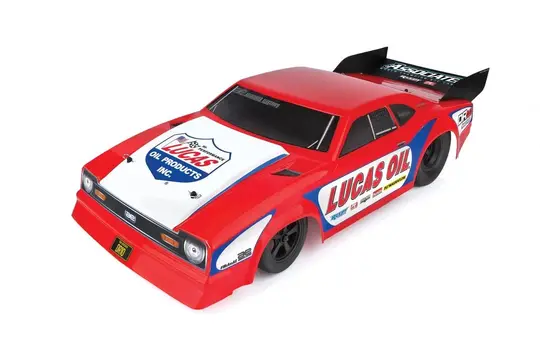 DR10 Pro Reakt Lucas Oil RTR1/10 · Street
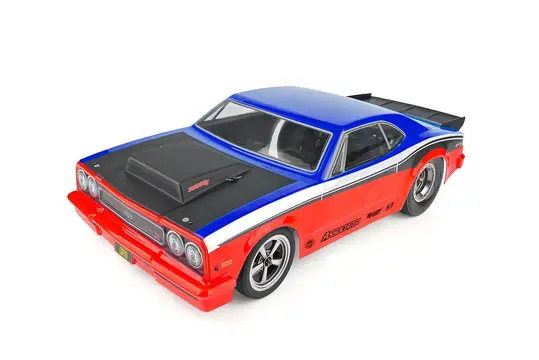 DR10 Drag Race Car Team Kit1/10 · Street
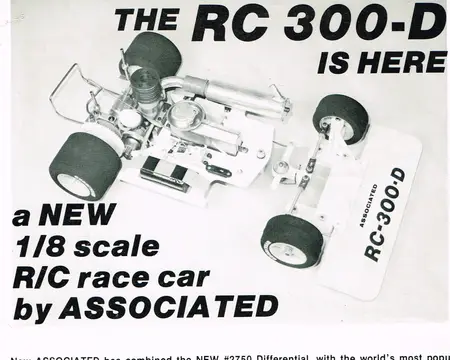 RC300-D Kit1/8 · Street
Browse 7 more Team Associated models.