Pinion
PinionStock gear14T · 48P (Derived from replacement part) · 2 mm (nominal shaft fit; Derived from replacement part) boreRedcat Racing
VehiclesRedcat Racing Everest-16

1/16 scale · crawler · REREVEREST-16-BLUE
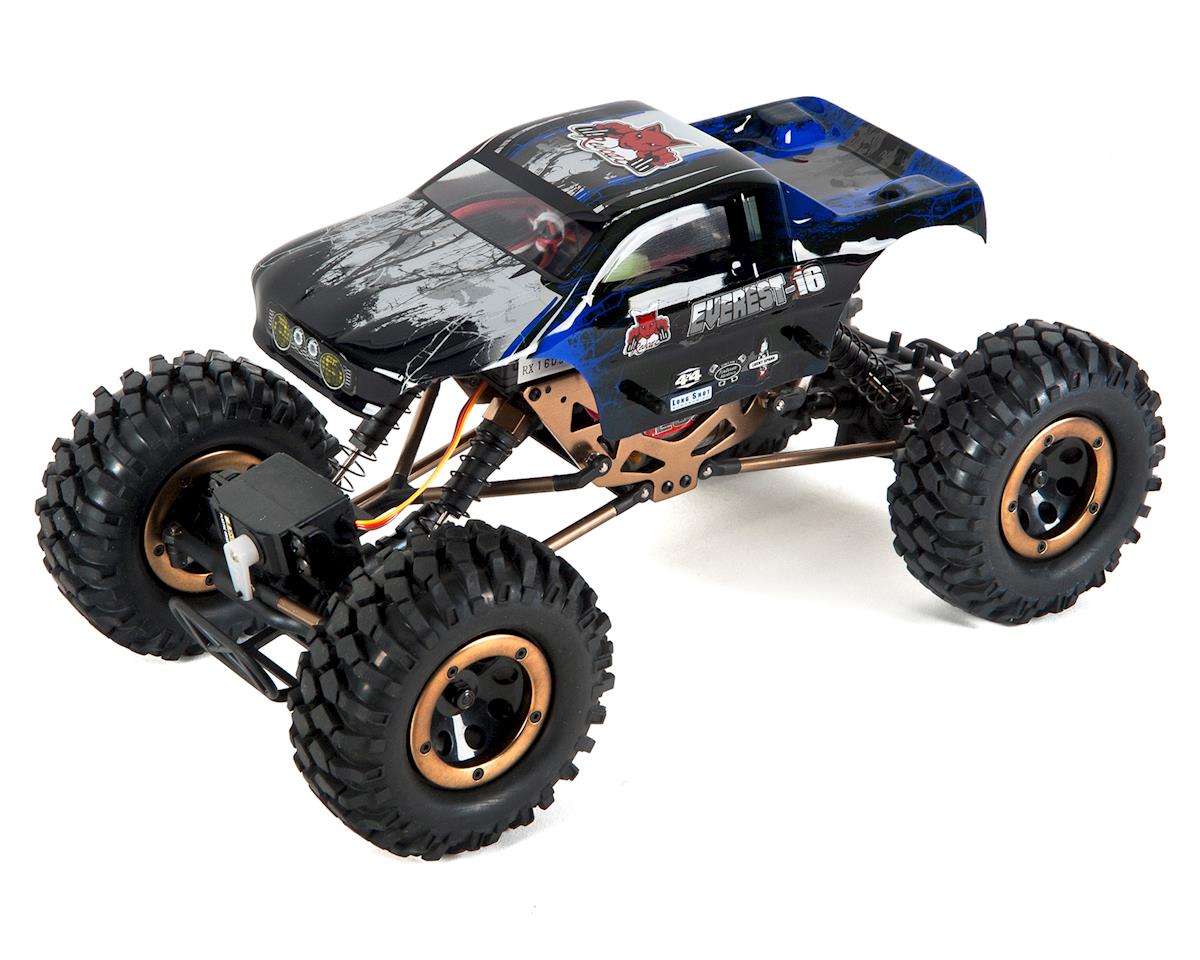
The Everest-16 makes a rock-crawling course out of terrain that a larger trail truck might simply drive across. Redcat's small four-wheel-drive RTR uses a compact RC260 motor and deeply reduced shaft drive, with a 7.2 V NiMH battery shown in its parts sheet. Solid axles, linked suspension and tall tires give it the recognisable working layout of a crawler.
Its appeal is the opportunity to practise line choice and weight transfer in a smaller space, with a complete vehicle as the starting point. Redcat parts and specification sheet (opens in a new tab)
The standard chassis is 305 mm long on a 215 mm wheelbase; the same sheet separately identifies an extra-long version rather than making that length a universal Everest-16 specification. At 170 mm wide, the standard vehicle places its wheels close enough together that an obstacle can become a substantial part of the track width. The parts table gives a 95 mm wheel-diameter figure, and the illustrated complete tire assembly puts that number in context. These proportions reward a deliberate route through rocks rather than a search for maximum articulation in isolation. Factory layout (opens in a new tab)
The sheet is also a compact map of the vehicle's repairability. It identifies gearbox, axle housings, dogbones, links and servo mounting parts, and distinguishes older and revised servo plates. A detailed owner setup involving two Everest-16s retained the original electronics and NiMH packs while lowering equipment and changing suspension travel. That experience gives the small crawler an interesting development path: learn what its chassis does on a chosen course before replacing the running system or assuming an Everest-10 component belongs on it. Everest-16 owner setup (opens in a new tab)
| Spec | Value | Basis |
|---|---|---|
| Vehicle | ||
| ||
| Class | Crawler | |
| Drive | 4WD | |
| Build | Ready to run | |
| Scale | 1/16 | |
| Part number | REREVEREST-16-BLUE | |
| Drivetrain | ||
| ||
| Pinion | Stock | |
| Spur | Not published | |
| Transmission & axle | Not published | |
| Final drive | Stock | |
| Pinion bore | 2 mm (nominal shaft fit)Derived from replacement part | Derived from replacement part |
| Pinion pitch | 48PDerived from replacement part | Derived from replacement part |
| Wheels & tires | ||
| ||
| Tire diameter | Stock | |
| Rollout | 3.4mm per motor turnCalculated | Calculated |
| Wheel hex | 12 mmDerived from replacement part | Derived from replacement part |
| Stock tire width | 34mm, Manual labels complete assembled wheel width alongside 95 mm outside diameter.Stock | Stock |
| Stock wheel diameter | 1.9in, Matched original 68021/68023 wheel assembly; nominal rim size, separate from the 95 mm tire diameter.Derived from replacement part | Derived from replacement part |
| Power | ||
| ||
| Motor | Not published | |
| Motor shaft | Not published | |
| Battery | Not published | |
| Stock motor | RC260Stock | Stock |
| ESC rating | 25 Acontinuous; Exact archived-edition retailer listing; the factory-linked PDF was not readable in this pass.Single report | Single report |
| Performance | ||
| ||
| Theoretical top speed | Not published | |
| Size & weight | ||
| ||
| Weight | 0.85 kg (1.9 lb)without batteryStock | Stock |
| Length | 305 mm12 inStock | Stock |
| Width | 170 mm6.7 inStock | Stock |
| Height | 135 mm5.3 inStock | Stock |
| Wheelbase | 215 mm8.5 inStock | Stock |
Redcat's Everest-16 manual is a single parts and exploded-view sheet, and its specification table prints 'Gear Ratio 1:88', 'Diameter of Wheel 95mm' and 'Width of Wheel 34mm'.
9 source links for this model.
Tune the Everest 16 around the size of obstacles you actually drive. More suspension travel can leave it tall and unsettled rather than making a small indoor rock course easier.
Compare a lower stance before buying longer shocks or taller tires. A documented two-truck setup retained the stock electronics and NiMH batteries while shortening shock travel and moving equipment lower and forward. Its later clarification is useful: limiting compression alone leaves the fully extended suspension tall, so check ride height and both ends of travel rather than judging articulation from a single photograph. A wider stance can bridge obstacles and still leave the belly hanging between them.[1] RCCrawler: RGunn Everest16 setup and later fitment clarifications (opens in a new tab)
Axle generation matters when using a cross-model lockout. The Hot Racing ECX parts in that build required trimming posts and using shorter screws on the revised Everest 16 housing; they were not direct bolt-ons. Identify the housing and compare screw engagement before ordering the same parts. Retain the stock electronics if they already provide useful control on your course. The 12T pinion mentioned later was a possible modification, not an installed gearing result.[1] RCCrawler: RGunn Everest16 setup and later fitment clarifications (opens in a new tab)[2] Redcat: Everest16 manual and parts directory (opens in a new tab)



Shock travel, retained stock electronics and revised-axle lockout installation details.
Read the Everest16 setup follow-up (opens in a new tab)
Publisher metadata identifies everest16 included alongside Everest10 and Danchee; no current gearing or fitment verification.

Redcat presents the small Everest-16 crawler and its indoor and outdoor use. This provides a factory introduction alongside the retained owner comparison.
Loading parts…
1 spec-only records. Key assemblies include recorded gear and shock identifiers. Open a part for its listing sources.
No reviewed platform or substantial structural connection is recorded for this exact model yet.
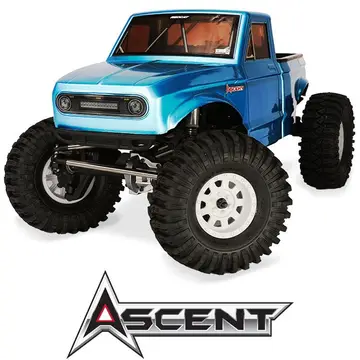 Ascent Two-Piece Dovetail Body1/10 · Crawler
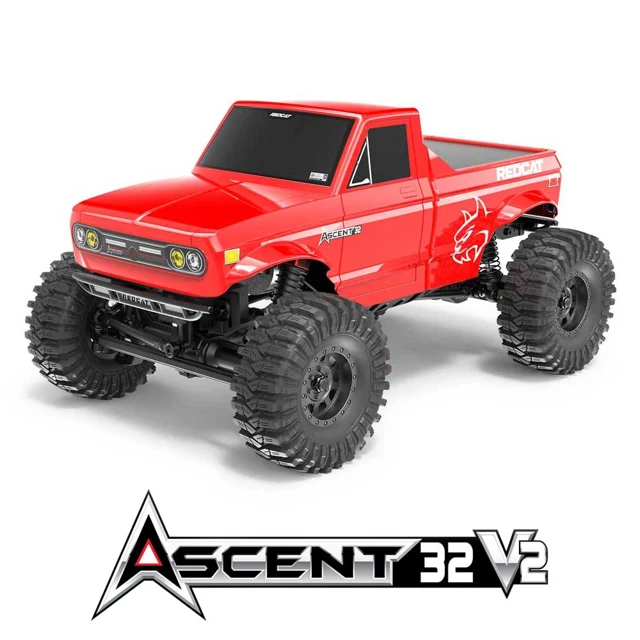 Ascent-32 V21/32 · Crawler
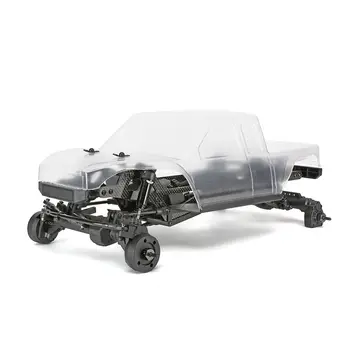 Vertex-10 Slider1/10 · Crawler
Browse 7 more Redcat Racing models.