
VehiclesCarisma SCA-1E 2.1 Bulldog RTR Weathered Edition

Carisma SCA-1E 2.1 Bulldog RTR Weathered Edition
1/10 scale · crawler · 89068
Specs- Tire
- 95mm
No published motor KV for this brushed motor: compare gearing by rollout.
Background
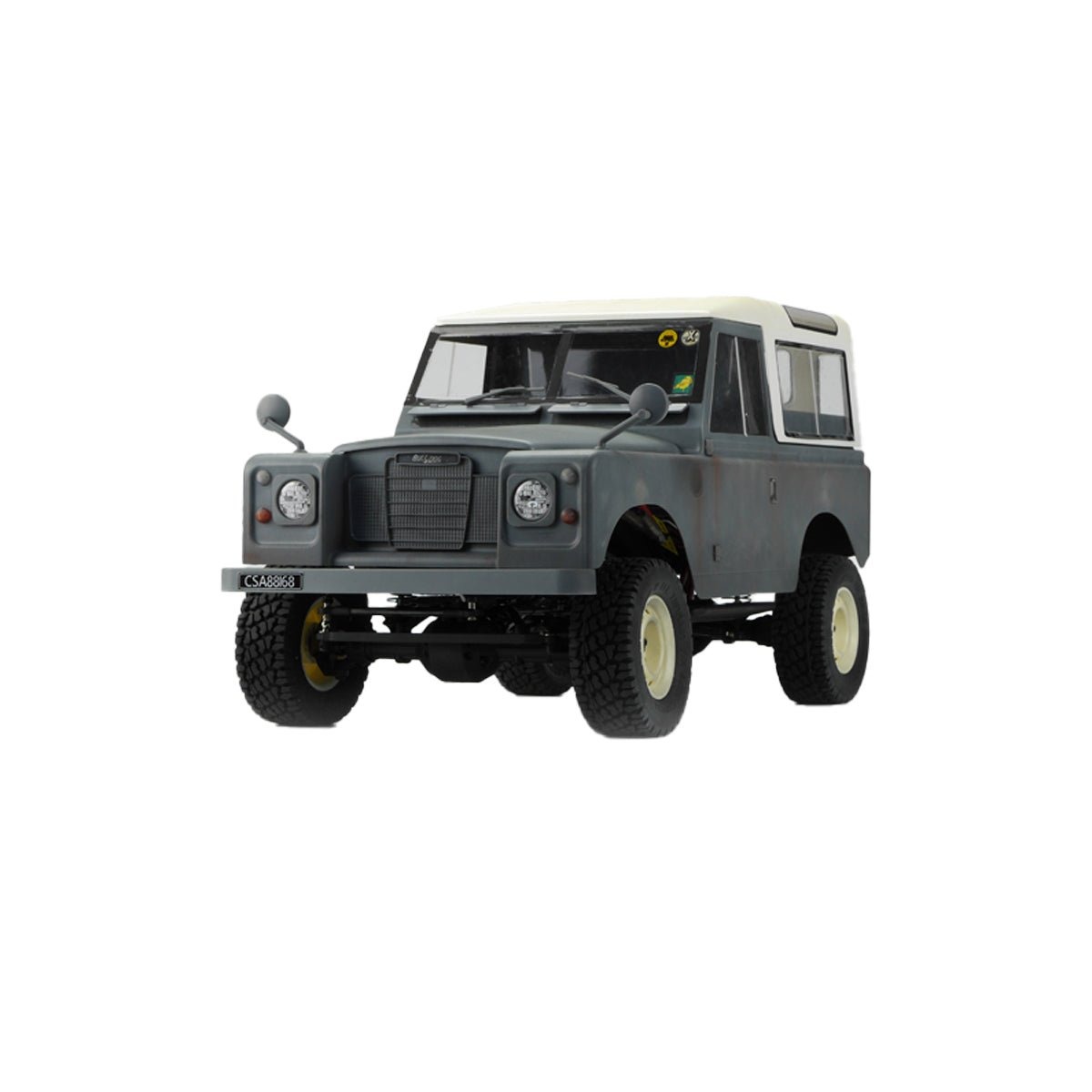
The Bulldog Weathered Edition RTR combines a 285mm wheelbase with a painted Welsh Grey body, white removable roof and off-white beadlock wheels. Its hood opens and the body is packed separately to protect the weathering finish. The ready-to-run equipment includes a five-pole 17-turn motor, ARC-1 speed controller and CTX-2000 radio, with 95mm AT-SS soft-compound tires.1 The Bulldog Deluxe builders kit uses a clear, uncut three-part body with an opening bonnet and removable hardtop.2
Read moreShow less
The finished RTR body and included electronics distinguish these two packages.
Specifications
Last modified
18 specifications across 7 groups, covering stock setup, dimensions and components.
| Spec | Value | Basis |
|---|---|---|
| Vehicle | ||
| ||
| Class | Crawler | |
| Drive | 4WD | |
| Power | Brushed | |
| Build | Ready to run | |
| Scale | 1/10 | |
| Part number | 89068 | |
| Drivetrain | ||
| ||
| Pinion | 14TStock | Stock |
| Spur | Not published | |
| Transmission & axle | Not published | |
| Final drive | Not published | |
| Wheels & tires | ||
| ||
| Tire diameter | 95mmStock | Stock |
| Power | ||
| ||
| Motor | Not published | |
| Battery | Not published | |
| Stock motor | 17T 5-pole brushed motorStock | Stock |
| Stock ESC | ARC-1Stock | Stock |
| Steering & radio | ||
| ||
| Transmitter | CTX-2000Stock | Stock |
| Performance | ||
| ||
| Theoretical top speed | Not published | |
| Size & weight | ||
| ||
| Wheelbase | 285 mm11.2 inStock | Stock |
How to read these figures
- Stock is as the vehicle ships.
- Calculated is worked from the stock figures on this page rather than stored beside them, so the two cannot drift apart.
- Not published means it exists but no source we could find prints it.
Sources
2 source links for this model.
Vehicle product and specification pages. Background references.
Read moreShow less
- Vehicle product and specification pages.
- Background references.
Links open in a new tab.
This vehicle
1- Carisma 89068 Bulldog RTR Weathered Edition (opens in a new tab)Supports 4 specifications · Background 1Hobby Recreation ProductsUsed forMain specsSizeElectronicsSteering & radioBackground 1
Background reading
1- SCA-1E D2.1 Bulldog Deluxe Kit (opens in a new tab)Background reference 2CarismaUsed forBackground 2
Related vehicles
No reviewed relation is recorded for this exact model yet.
More from Carisma
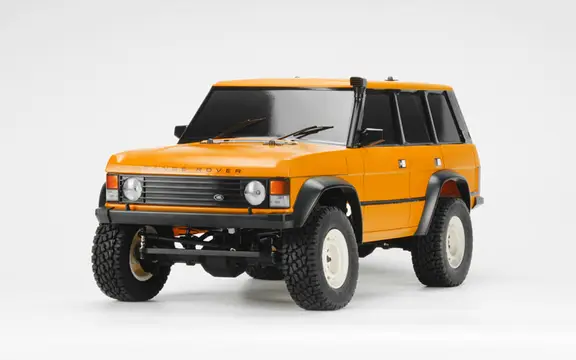 SCA-1E 2.1 Classic Range Rover Final Tribute RTR1/10 · Crawler
 MSA-1E 2.0 Land Rover Series IIA1/24 · Crawler
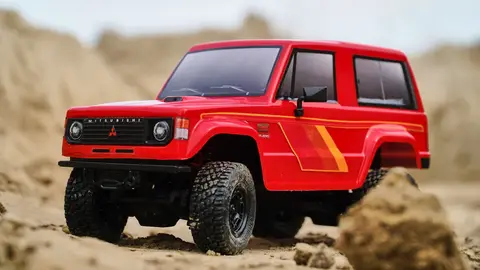 MSA-1E 2.0 Mitsubishi Pajero XL-W1/24 · Crawler
Browse 7 more Carisma models.
Read moreShow less
- SCA-1E 2.1 Classic Range Rover Final Tribute RTR1/10 · 91268
- MSA-1E 2.0 Land Rover Series IIA1/24 · 87268
- MSA-1E 2.0 Mitsubishi Pajero XL-W1/24 · 85668
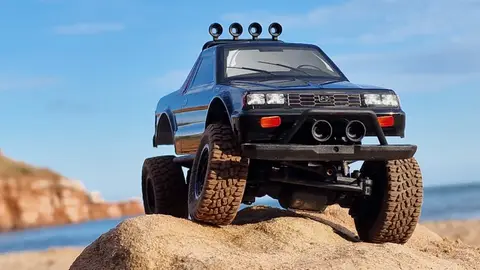 MSA-1E 2.0 Subaru Brat1/24 · 86268
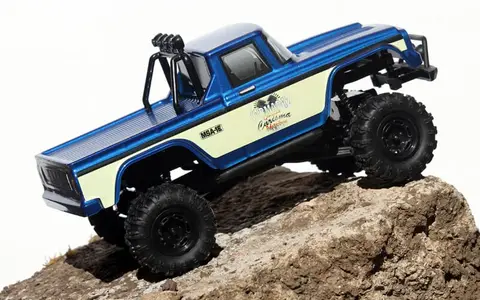 MSA-1E Coyote Pup1/24 · 79368
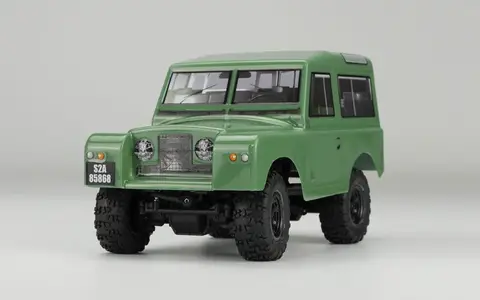 MSA-1E Land Rover Series IIA Classic Green1/24 · 85868
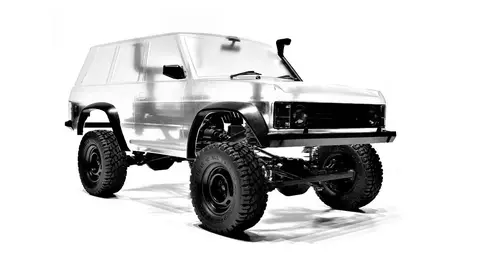 SCA-1E 2.1 Range Rover Custom Kit1/10 · 82768
- All Carisma vehicles