
VehiclesCarisma Mini 4XS

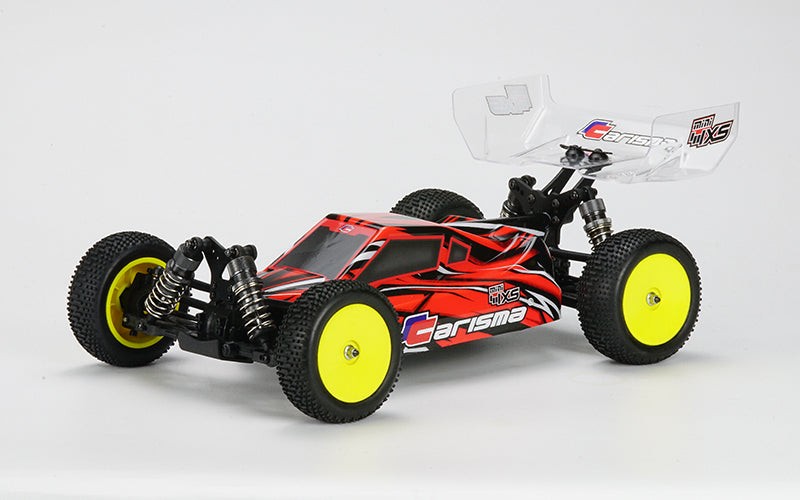
Carisma Mini 4XS
1/14 scale · buggy · 92768
Reference priceUSD 299.99
- Original listing
- USD 299.99Price source (opens in a new tab)
Reference prices; current prices may differ.
- Scale
- 1/14
- Drive
- 4WD
- Max LiPo
- 2S
- Motor Kv
- 4,500
Background
The Mini 4XS is a 1/14-scale four-wheel-drive buggy in Carisma's range. This assembled package needs completion equipment; check the included components before choosing a power system. Source details (opens in a new tab)
Read moreShow less
An adjustable slipper clutch sits in the drive system. Its setting is a separate adjustment from the gear mesh, so retain the factory starting point before increasing motor power or changing the motor gear. Source details (opens in a new tab)
Oil-filled dampers provide a serviceable suspension setting. Spring support and oil damping perform different jobs, so record the original settings before changing either and compare one adjustment at a time. Source details (opens in a new tab)
Specifications
Jump to section
| Spec | Value | Basis |
|---|---|---|
| Vehicle | ||
| ||
| Class | Buggy | |
| Drive | 4WD | |
| Power | Brushless | |
| Build | Roller / ARR | |
| Scale | 1/14 | |
| Part number | 92768 | |
| Drivetrain | ||
| ||
| Pinion | Not published | |
| Spur | Not published | |
| Transmission & axle | Not published | |
| Final drive | Not published | |
| Wheels & tires | ||
| ||
| Tire diameter | Not published | |
| Power | ||
| ||
| Motor | Stock | |
| Battery | Up to 2SLiPoStock | Stock |
| Stock motor | Carisma 4500 KV sensorless brushless motorStock | Stock |
| Stock ESC | Carisma sensorless brushless ESC (35-amp class, 2S only)Stock | Stock |
| Battery space | 100 × 40 × 20mm, Manufacturer’s maximum 2S pack envelope, length × width × heightStock | Stock |
| Performance | ||
| ||
| Theoretical top speed | Not published | |
| Size & weight | ||
| ||
| Width | 200 mm7.9 inStock | Stock |
| Wheelbase | 228 mm9 inStock | Stock |
About these specs
The Mini 4XS is a 1/14 four-wheel-drive off-road chassis with a full metal gear transmission and a slipper clutch.
Read moreShow less
- It comes with a 4500KV sensorless brushless motor and a 35A speed control marked 2S only.
- Carisma does not publish tooth counts, gear ratios or the tire diameter.
How to read these figures
- Stock is as the vehicle ships.
- Not published means it exists but no source we could find prints it.
Sources
2 source links for this model.
All sourcesShow less
Parts and electronics
2- Source details (opens in a new tab)Supports 4 specificationsUsed forMain specsSizeElectronicsPowerBackground
- Carisma 114 mini 4XS rtr 390106 (opens in a new tab)Supports 2 specificationsUsed forElectronicsPower
OEM parts
Loading parts…
Related vehicles
No reviewed platform or substantial structural connection is recorded for this exact model yet.
More from Carisma
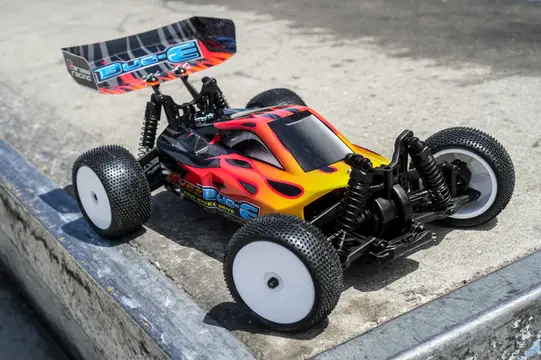 M40 BUG-E1/10 · Buggy
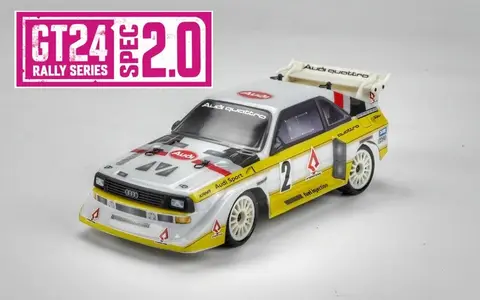 GT24 2.0 Audi Sport Quattro S1 19851/24 · Rally
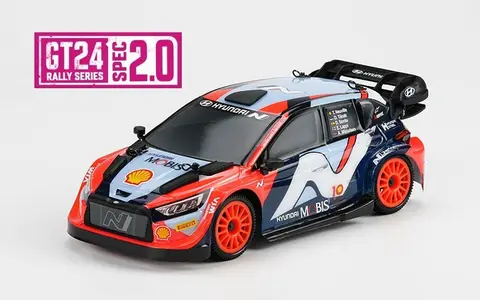 GT24 2.0 Hyundai i20N Rally11/24 · Rally
Browse 7 more Carisma models.
Read moreShow less
- M40 BUG-E1/10 · 83568
- GT24 2.0 Audi Sport Quattro S1 19851/24 · 91968
- GT24 2.0 Hyundai i20N Rally11/24 · 88768
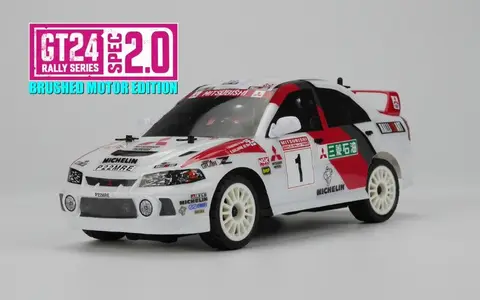 GT24 2.0 Mitsubishi Lancer Evo 4 WRC Brushed1/24 · 92068
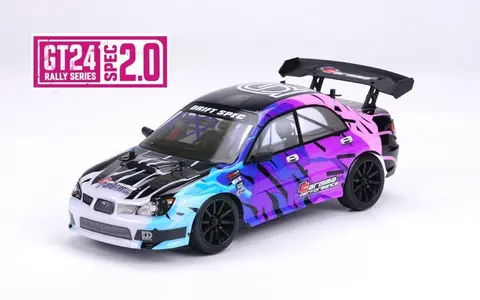 GT24 2.0 Subaru Impreza Drift Spec1/24 · 90268
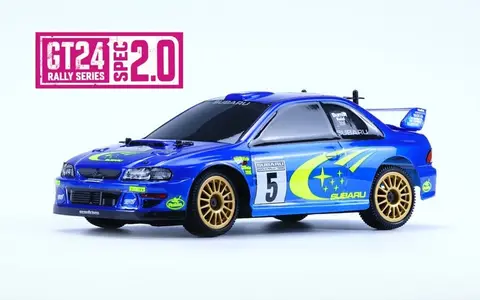 GT24 2.0 Subaru WRC 19991/24 · 91768
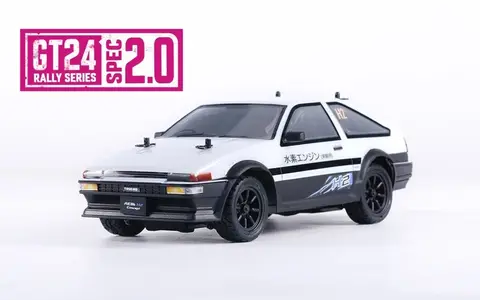 GT24 2.0 Toyota AE86 H2 Concept1/24 · 88868
- All Carisma vehicles